Client
Role
Industry
Year
Java, Firebase, Figma, Android Studio
Tools
Pakistan's tutoring culture runs on memorisation. Students are coached to reproduce correct answers, not to understand the concepts behind them — and by the time they hit a subject they genuinely struggle with, the system offers few tools for building real clarity.
Tyut was born out of direct frustration with that pattern. The premise was simple: build a platform that connects students with subject-matter experts for tutoring sessions focused on understanding, not rote preparation. The harder question was how to make that feel accessible and low-pressure enough that students would actually use it — especially those who were already overwhelmed.
The project started with research: interviews with students, educators, and parents to map where the existing tutoring experience broke down. One finding shaped everything that followed — students weren't just struggling with the material. They were struggling with the anxiety around it. The platform needed to reduce friction and cognitive load, not add to it.
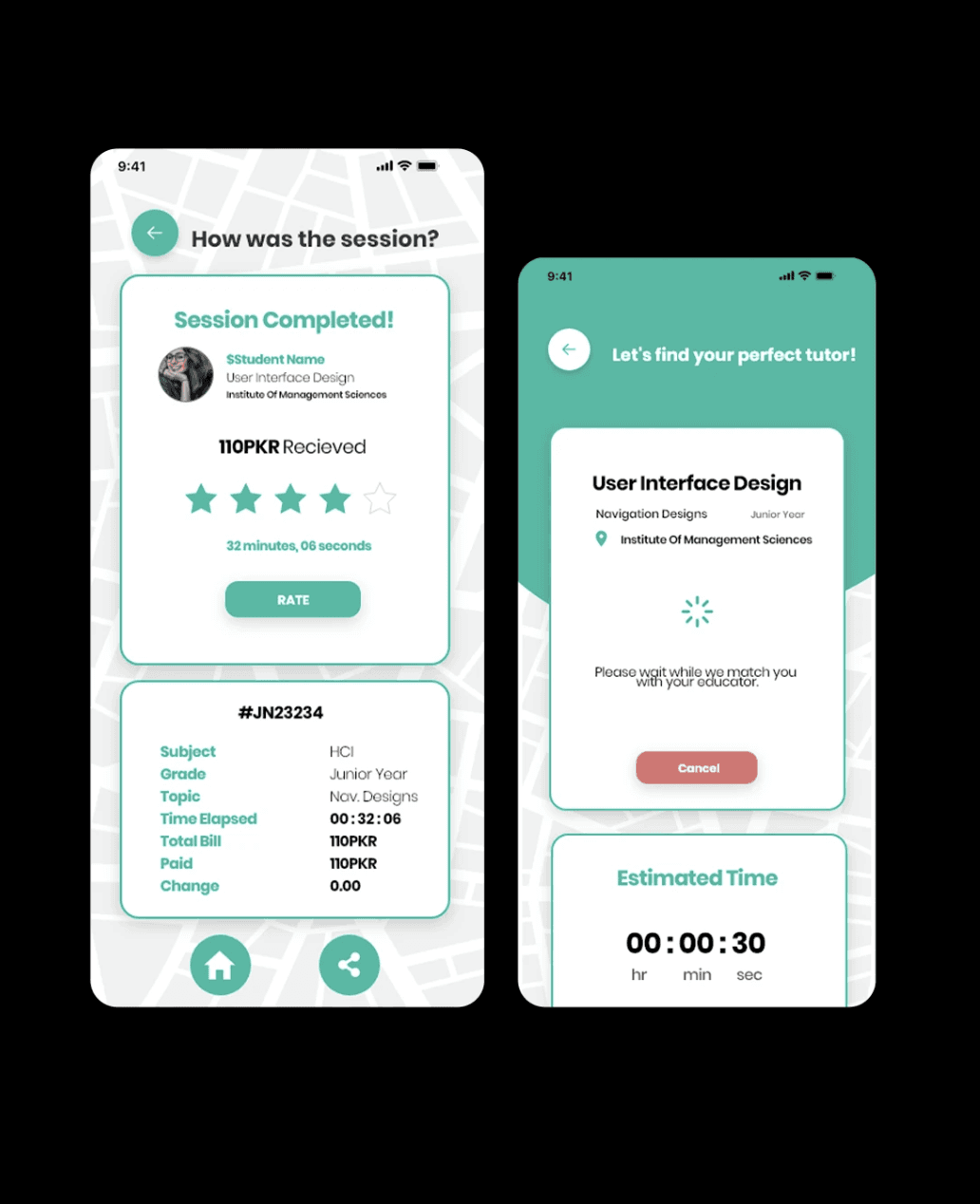
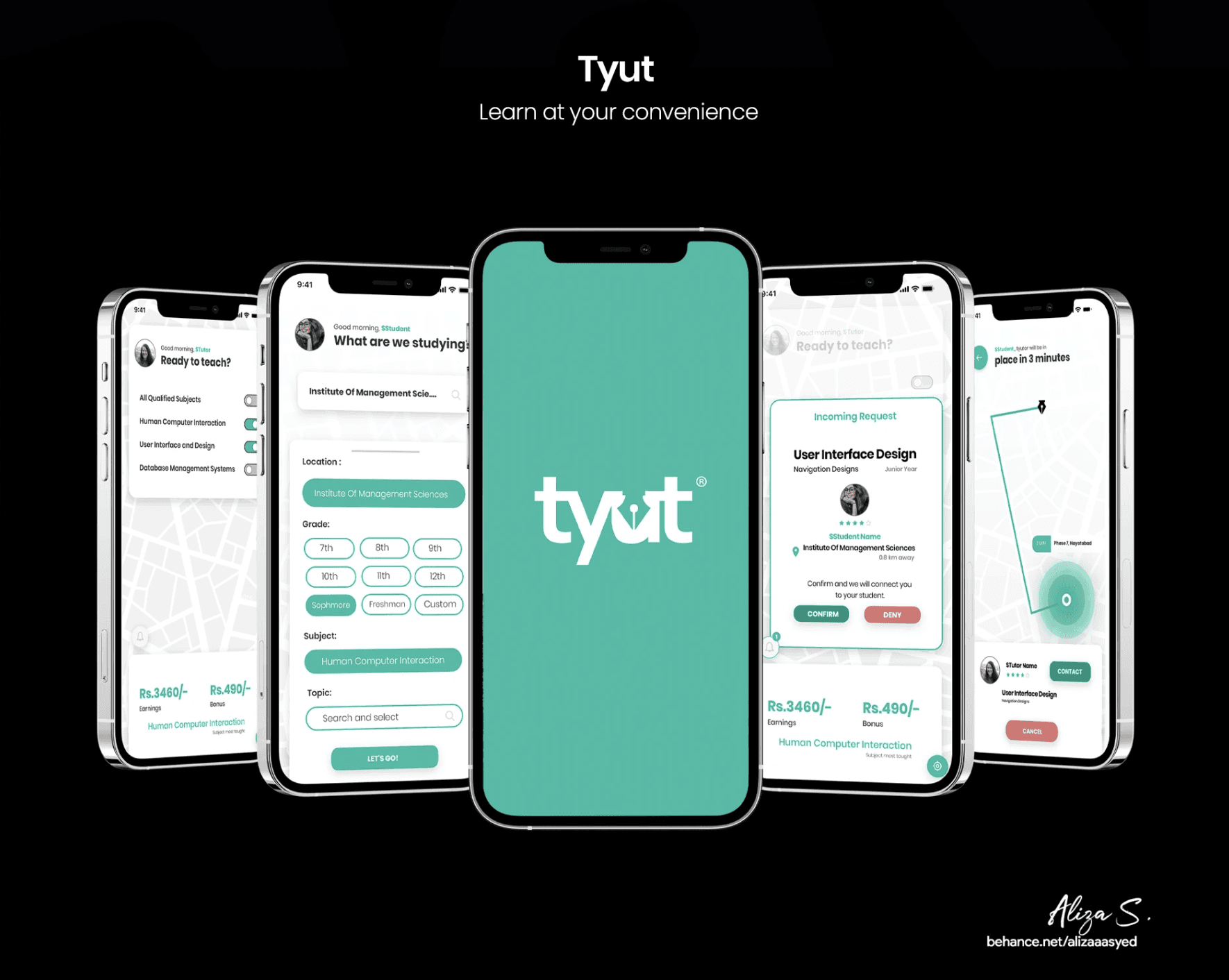
That insight drove both the UX and visual design decisions. User flows were built around fast expert access and minimal steps to booking. The interface leaned on soft colour, clean layouts, and copy that felt supportive rather than transactional — the goal was something students could return to regularly without dread.
On the development side, I built the MVP in Java with a Firebase backend, prioritising real-time session availability and responsive performance across devices. Core features included dynamic tutor scheduling, student profiles, and chat-based Q&A. The architecture was built with scale in mind from the start, so the system could support live session testing without needing a rebuild as usage grew.
Tyut launched as a working MVP that delivered on its core promise: fast, low-friction access to subject experts in an environment designed to build confidence, not just knowledge. The platform demonstrated that EdTech doesn't have to be cluttered or high-pressure to be effective — restraint in design and a clear point of view on learning can do a lot of the work.
For me, this project is the clearest example of end-to-end ownership in my portfolio: a problem I identified, a product I designed, and a codebase I built and shipped.